Problem
Art direction required rich, high-coverage terrain painting with detailed, unique decals
Overdraw concerns and decal amount made the approach non-scalable
Decal overdraw concerns pushing towards higher workload of producing unique decals for each use case over a layered- modular approach
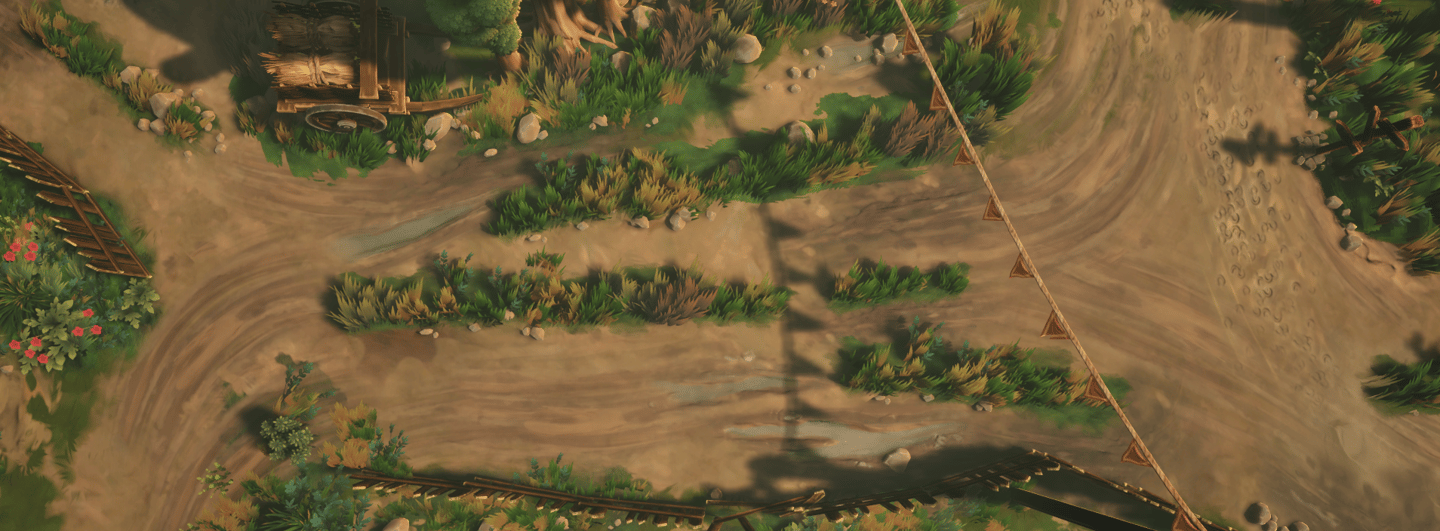
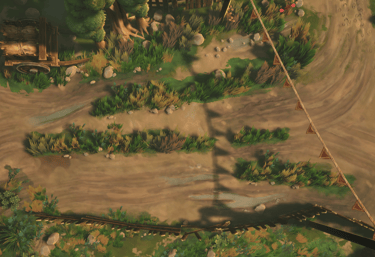
RVT-Based Decal System
Why RVT Stamps
90% of decals used were static & for the terrain only, top-down view could handle minor stretching without triplanar mapping
Minimal overdraw concerns grants more freedom with layering and decal modularity
Stress tests showed major performance boosts (FPS 40 > 60) with memory tradeoffs well within budget
Artist-facing workflow changes stayed almost invisible
Only works for static decals
Scene color RVT needed upgrading to a more costly "YCoCg Base Color, Normal, Roughness, Specular, Mask" format
Shifts cost from runtime draw calls & overdraw to memory
Limitations and tradeoffs
Rich terrain painting with high decal coverage was a core art direction requirement, but traditional decals made it non-scalable. Overdraw costs were pushing the team toward heavier, less modular production workflows.
I built an RVT-based decal pipeline that unblocked the terrain painting pipeline, preserved artist workflow, and cut the cost from runtime to capture-time.
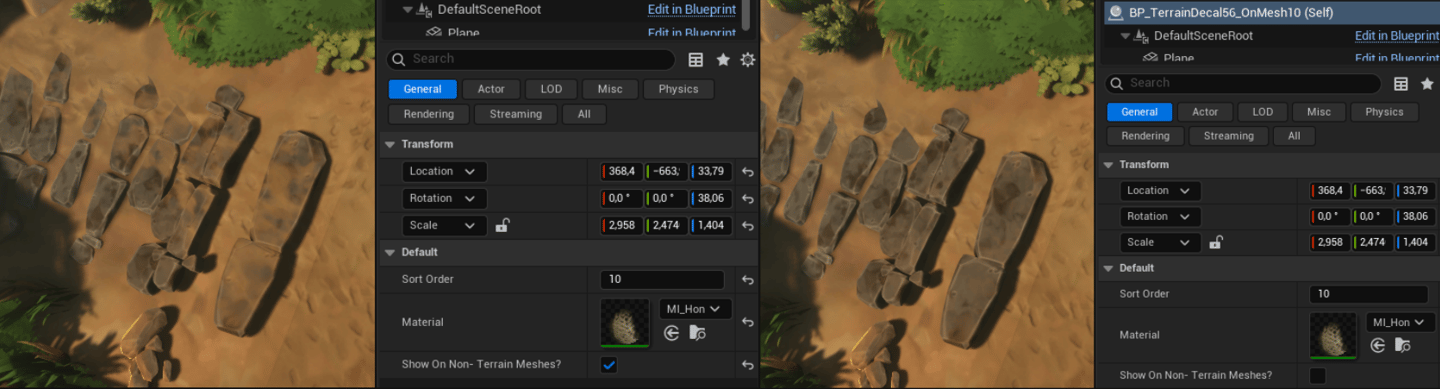
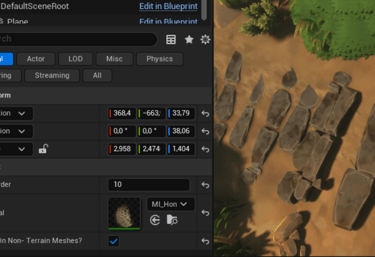
RVT "Decal" Layer Sorting & Mesh Sampling
The setup uses simple plane actors excluded from the main render pass that writes the decal material into the terrain color RVT. The terrain & ground props sample the result, allowing decal-like sorting through translucency sort order & with a choice to show a decal over or under ground props..
Road Splines
Spline RVT Stamper with start- and end fading
Edge wear and erosion controls
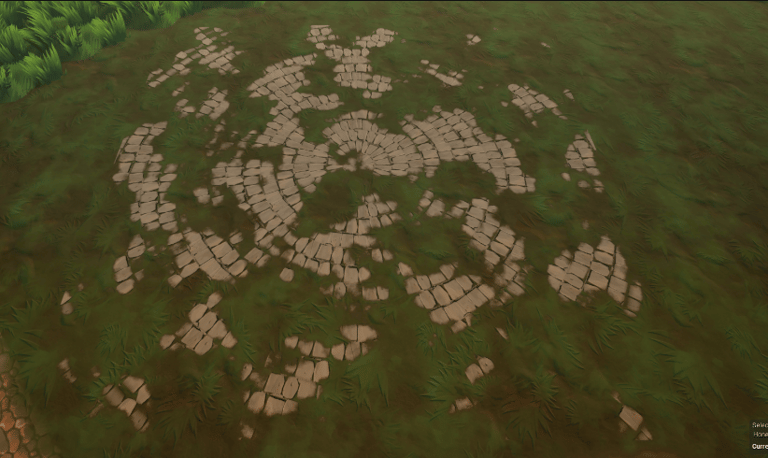
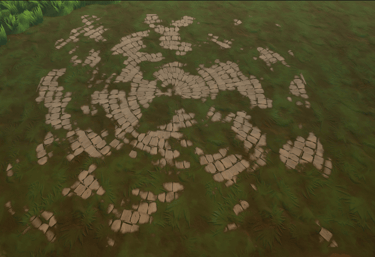
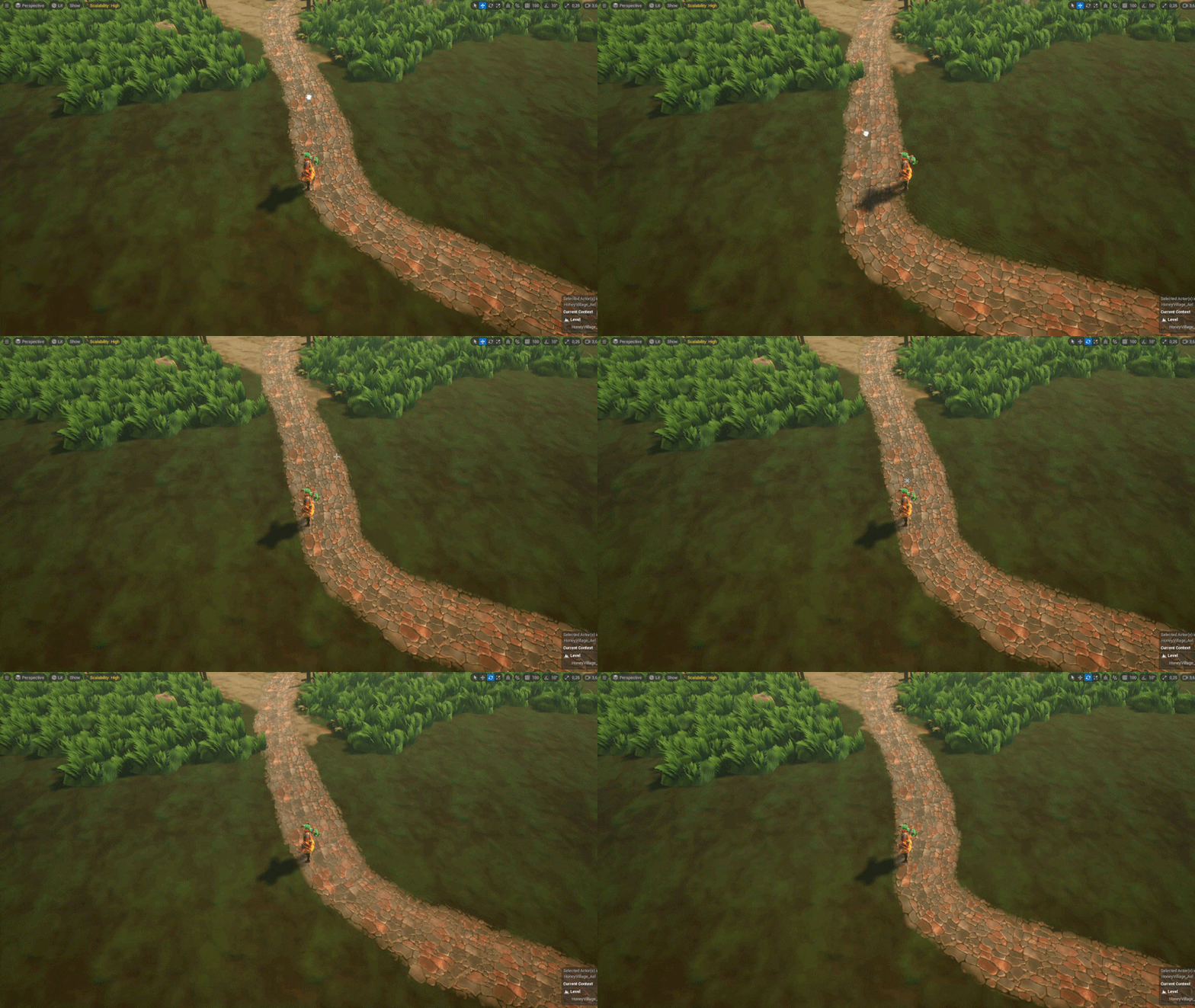
RVT-Based Splines and Shaders for Roads and Pavements
Circular pavements
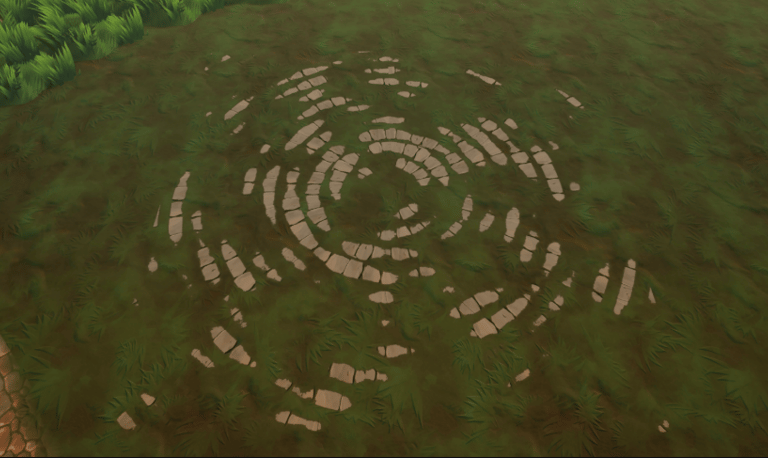
Circular texture mapping, RVT-stamping shader for circular pavements and cobblestoned areas
Edge wear and erosion controls